Or Two Books and One Team Model That Changed How I Work
As software developers, we spend a lot of time thinking about systems, architecture, and edge cases. And then… we join a meeting. Suddenly, the biggest bug isn’t in the codebase – it’s in communication.
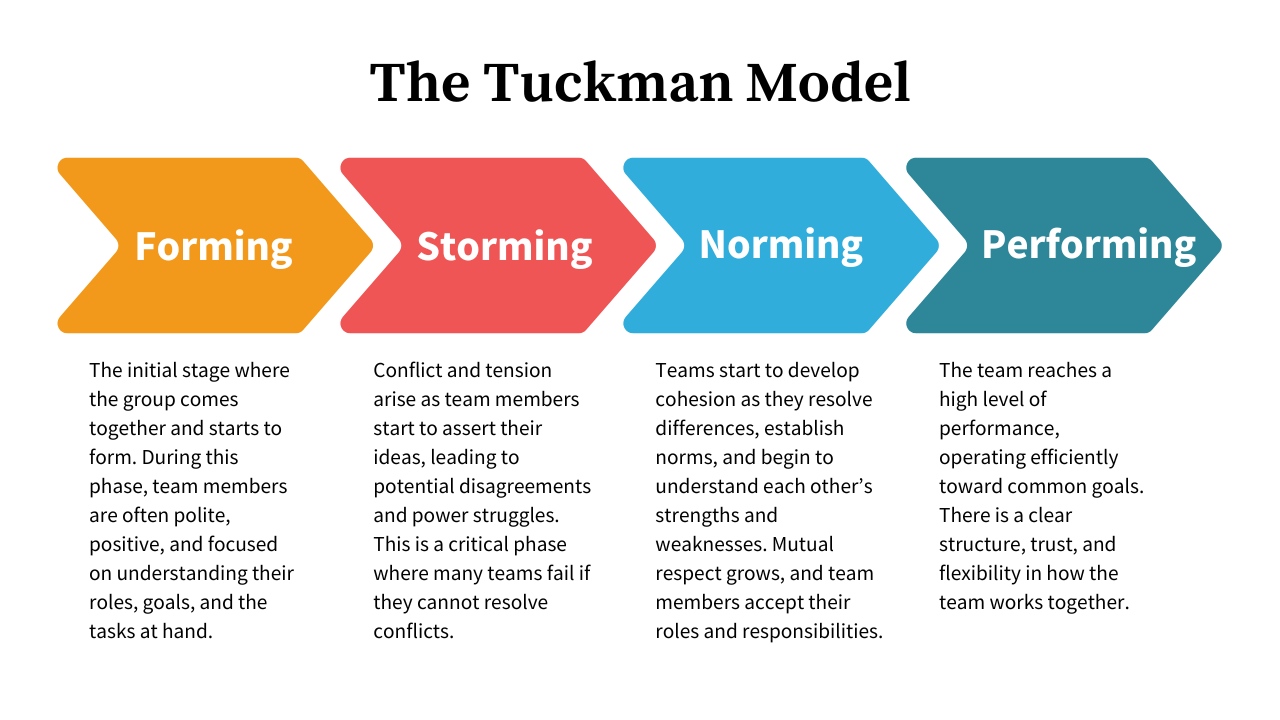
Two books next to Tuckman’s stages of group development reshaped how I think about teamwork, especially in multicultural environments:
1. Tuckman’s Stages of Group Development
(Forming, Storming, Norming, Performing)
This model helped me realize that not every team conflict means “this team is broken”. Sometimes it just means: we’re storming.
- If things feel awkward – probably Forming
- If people argue about “the right way” – welcome to Storming
- If trust starts to build – Norming
- If things finally flow – Performing (enjoy it while it lasts 😊)
Knowing where your team is helps set expectations. Conflict isn’t always bad – sometimes it’s just the next stage loading.
2. The culture Map – Erin Meyer
Working in multicultural teams means that the same behavior can mean very different things.
- “Direct feedback” in one culture = honesty
- The same feedback in another = personal attack
- Silence might mean agreement… or strong disagreement
This book reminded me that misunderstandings are often about different cultural expectations, not bad intentions. When something feels “off”, it’s worth asking:
Is this a people problem, or a culture understanding problem?
3. Nonviolent Communication – Marshall Rosenberg
This book is basically a debugger for human conversations.
Instead of:
“This code review is bad.”
Try:
“When I see missing tests, I feel worried because I value stability. Could we add coverage?”
It sounds simple, but separating observations, feelings, needs, and requests reduces defensiveness – and surprisingly, speeds things up.
Less drama. More clarity. Fewer passive-aggressive Slack messages.
The Big Takeaway
Great teams don’t just write good code – they understand each other.
- Know where your team is (Tuckman)
- Understand how culture shapes expectations (Culture Map)
- Communicate without unnecessary damage (Nonviolent Communication)
Turns out, soft skills aren’t that soft. They’re just another layer of the system – and worth maintaining.
Author: Ioana Oancea, Senior Developer
Ioana is a Progress Developer with a strong interest in process improvement and team collaboration. She enjoys helping teams work more effectively and build software in a clear, sustainable way.