Three weeks into a new job, I became the only business analyst for two OpenEdge teams. The two-month handover I was promised lasted about four weeks. By October, compared with the same months last year, our teams delivered 8.8% more and had 19.5% fewer things sent back. Here’s what I learned.
I should be honest about my credentials: in OpenEdge years I’m a toddler. So no framework and no certificate, just what worked, what flopped, and what you can steal on Monday.
The setup
An old desktop app was moving to the browser, with two teams and one client. I started on January 12 to replace just one experienced BA, who was about to leave. Then a second experienced BA left too, so the company hired two of us to cover. Within weeks the other new hire was gone, and then the BA I was supposed to replace left, earlier than planned. That left me, the last one standing, with both teams. Everyone said it takes seven to eight months to feel confident on this project. I got about four weeks of handover and an 87% panic level.
Lesson 1: A habit is a rule that forgot why it was born
I kept asking “why do we do it this way?” and kept hearing “this is how it’s done.” So, we started asking two questions about every document, template and step: who actually uses it, and does the reason still hold? Every rule started as somebody’s decision, so challenge the decision, not just the output. For example, nobody needed the database mapping in the requirement doc before testing, so it moved to the developers.
Then we ran every process, template and step through the same order: remove what nobody uses, adapt what’s a good idea done badly, then add what was missing. Strict roles (only QA tests, only the BA documents) were the first to go. The Excel test plan was adapted into a shared template. Documenting the validations before coding was added. Deleting is the cheapest feature we ever shipped. Adding is the fun part, so we keep it for dessert.
Lesson 2: Write down the awkward bits before anyone codes
Our returns (stories the client sent back for fixes) kept repeating because every developer guessed in the same grey areas. Old screens were outdated and the standards were vague, so different developers made the same mistake, and the client sent it back each time. The fix was embarrassingly simple: ask developers where they don’t know what to do, and document those spots first. The grey areas are the spec. The rest is decoration.
Same idea for estimates, which are hopes with numbers on them. We now run a refinement before every big feature and a code analysis task before every story is estimated. Research first, so the hope is at least an educated one.
Lesson 3: Priorities don’t travel on their own
The client told the BA what mattered, and the BA knew. The team didn’t. Each role pushed forward whatever was easiest, and everyone was busy and reasonable and still the wrong things shipped first. A well-organized misunderstanding.
So we added a version commitment around the sprint commitment: what the client expects in this version, marked with a focus-version label, and re-committed after the first two or three sprints. We added one rule too: you own your story until it’s closed, not just until it moves a column. Like a library book, with fewer fines.
Lesson 4: Fix the cause once, not the symptom every sprint
Take the Save button. The client said it should behave differently, we fixed it, then a similar return came, then another. By the third, it wasn’t a bug but a standard nobody had written down. Before fixing anything now, I ask three questions:
- Unclear or unknown? Does the knowledge exist but isn’t shared, or does nobody know it?
- General or specific? Fix it and move on, or update a standard?
- Mistake or change? Don’t act on a mistake but do update the standard for a change.
The Save button was unclear, general and a change, so we documented the client’s unwritten standards and now check the docs before asking questions. Honest confession: these questions still live mostly in my head.
The shared test plan follows the same logic. We sat down with the QAs and agreed on the sections together, and each QA keeps their own content and level of detail. Same skeleton, different muscles.
Lesson 5: You can’t do it all, and nobody should
Remember my 87% panic level? The only way out was to stop being the hero. I decided what only I could do (the big picture across both teams, the debates with the client, the questions nobody could answer) and turned everything else into tasks I handed on. Laying those tasks side by side showed what was missing, which made more tasks, which I also gave away. The team always had work, and delivery didn’t slow down.
The team needed the same permission. They were tired, scared and a bit lost, some bored with no hard story for weeks, others drowning in too many at once. So we gave roles some wiggle room (developers can test, developers or QA can analyze, developers learned automation), rebalanced work as far as the project allowed, and established out loud that it’s fine to delegate, fine to say what you need, and that no one has to burn out. People do the work, so if they’re not okay, the work isn’t either.
Lesson 6: AI makes writing easy and reading mandatory
Every BRD (business requirements document, the BA’s main deliverable) now goes through Claude, and it looks flawless. That’s the problem, because our brains take smooth for true. Before, we wrote it, so we knew where every sentence came from. Now we have to find out, and we find sentences that sound professional but say nothing, plus details that aren’t in the code at all. It’s the same trap as everything above: it looks settled, but it isn’t. So we read everything, against the code, not just for style.
Did it work?
The numbers say yes, with an honest asterisk.
| Metric (both teams combined) | Jan–Oct 2025 | Jan–Oct 2026 | Change |
|---|---|---|---|
| Story points delivered | 1,013 | 1,102 | +8.8% |
| Returns per 100 story points | 47.5 | 38.2 | −19.5% |
* The teams also got smaller in 2026 and AI-drafted BRDs started in the summer, so I can’t claim the workflows did this alone. If someone tells you they know exactly why their numbers moved, ask for their data.
Try these on Monday
- Ask who uses it and does the reason still hold before keeping anything.
- Write the grey areas down before you code.
- Label priorities and make them travel with the work.
- Fix causes, not returns.
- Check AI drafts against the source. Polished is not the same as correct.
People do the work, so process should help them. And if anyone asks you why, “because that’s how it’s done” is not an answer.
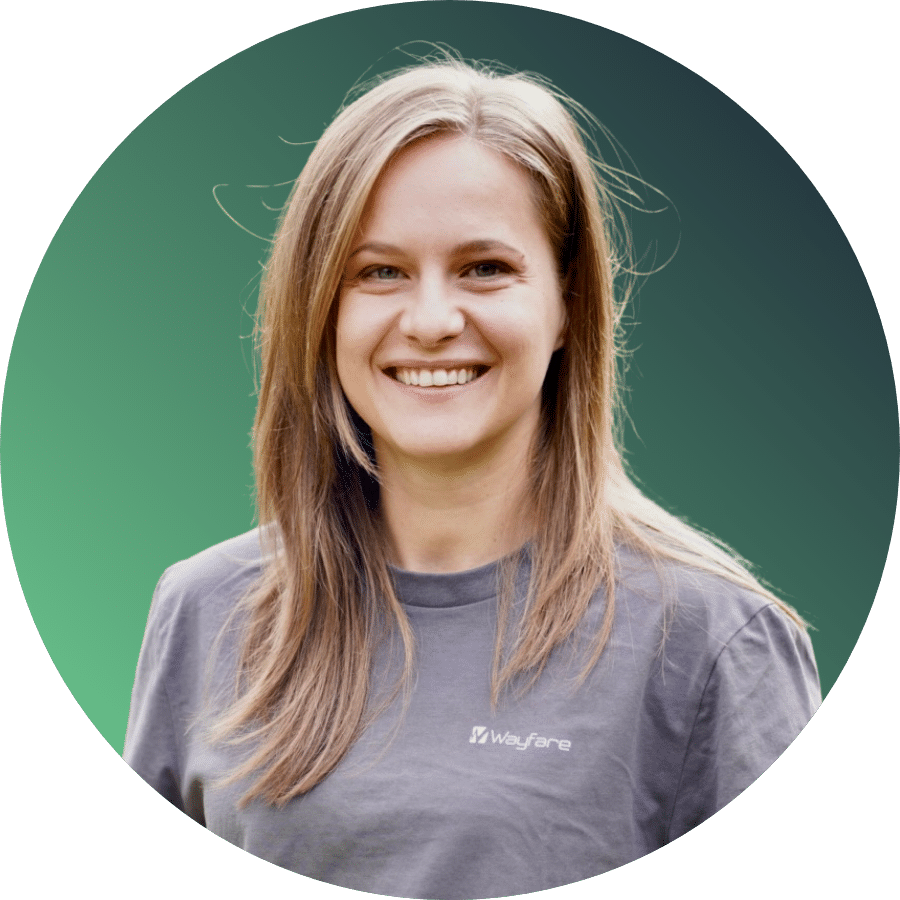
Author: Diana Pop, Business Analyst
Diana loves bringing people and ideas together. With a background in tech, project management, and community advocacy, she combines creativity with a passion for making a difference. Outside of work, she dedicates her time to animal welfare and, of course, her love for cats!